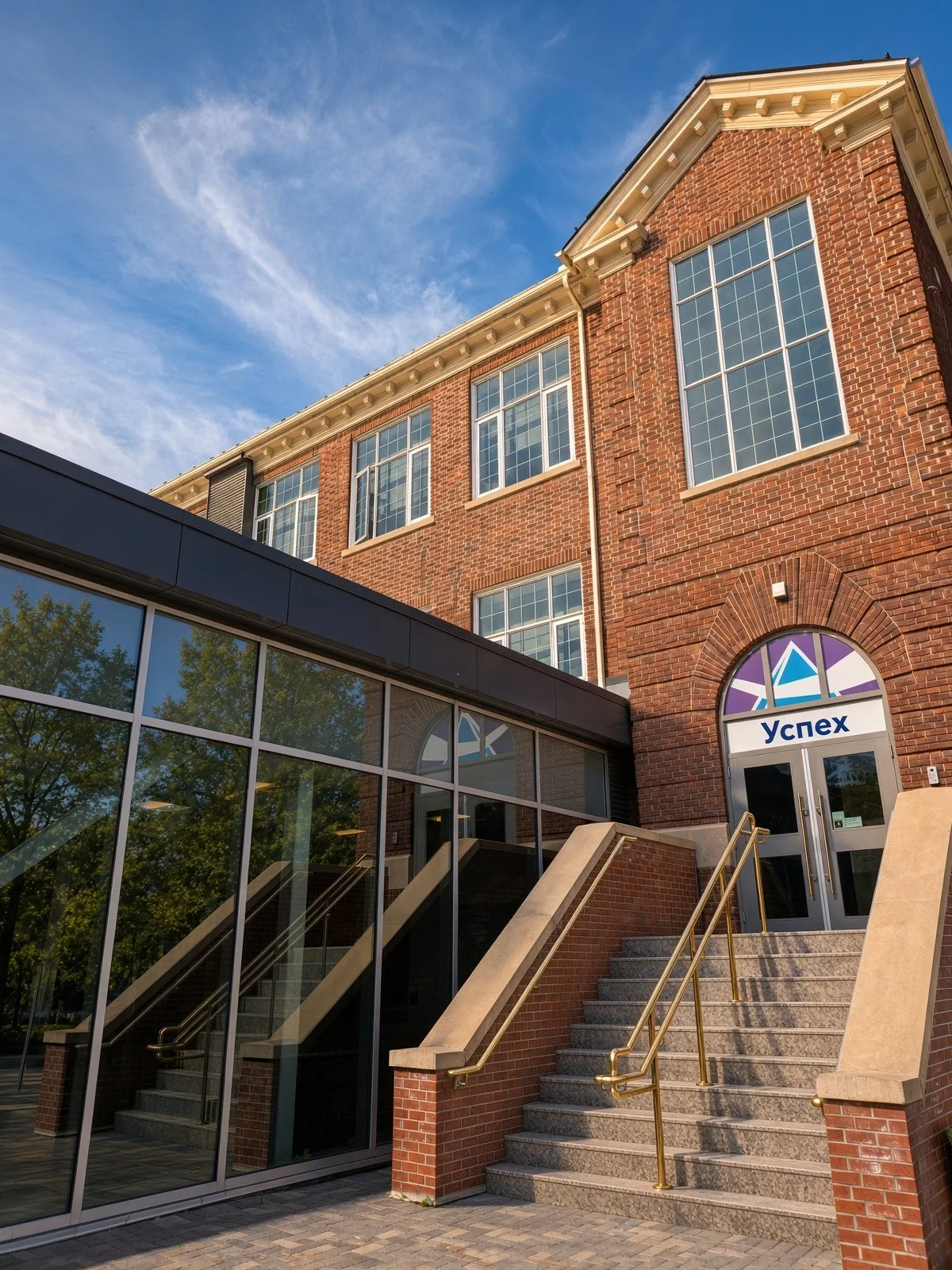
Saturday School “Success”
Saturday school in Ottawa for over 20 years: language, learning, creativity, and friendship — an environment where Russian language stays alive.
Where: 2720 Richmond Rd, Ottawa, ON K2B 8M3 · Maison de la francophonie d’Ottawa
When: Saturdays, 9:30–14:50
School year: September 12, 2026 – June 12, 2027
Ages: from preparatory class (age 4) through Grade 8; then credit class, Grades 9–12
Fees: $800 per year for one child · two — $1500 · three — $2200 (10 months). E-transfer: ottawaschoolsuccess@gmail.com
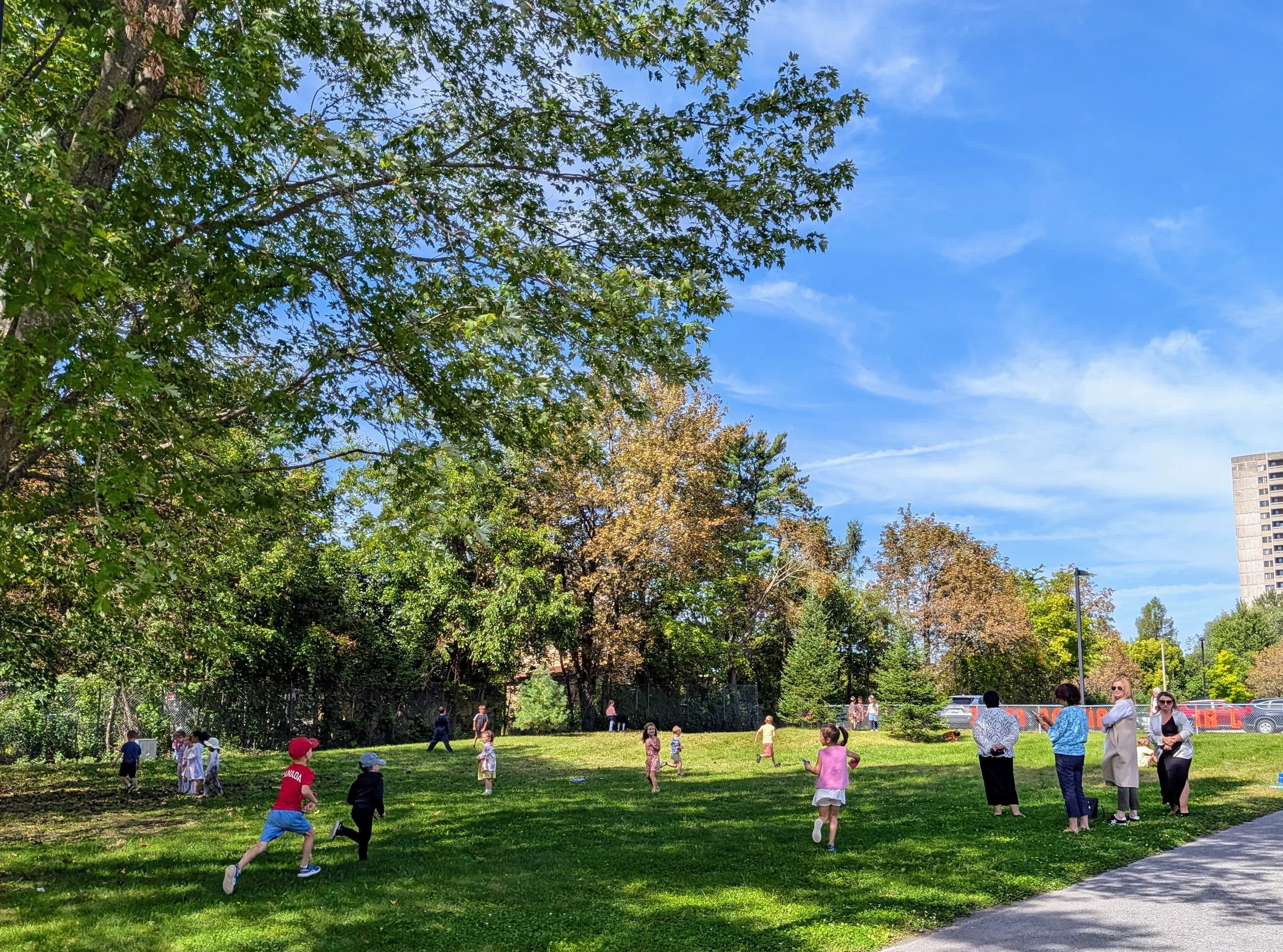
Before lunch — Russian language (reading and writing) and math in Russian. At 12:00 — lunch and outdoor time. Afterward — singing, holiday dances, optional chess; a theatre studio also runs.
We welcome children at every level. Registration for 2026–2027 is open; you can try one or two Saturdays first.
How Saturday works
9:00–9:30: arrival
9:30–11:55: classes (Russian language, reading, math — by grade)
11:55–12:40: lunch and outdoor time
12:15: credit class ends
12:40–14:50: enrichment (art, dance, music, theatre, chess, or extra math)
14:50: pickup
Fees
$800 per year for one child · two — $1500 · three — $2200 (10 months). Fees do not depend on how many Saturdays fall in a month. Missed days are not prorated.
Payment: e-transfer to ottawaschoolsuccess@gmail.com or post-dated cheques to SCHOOL SUCCESS. You may split payment into several installments; the total is the annual fee.
Fees include rent, materials, holidays, costumes, and the picnic.
How to enroll
Registration for 2026–2027 is open.
Application: registration form
Or call / write
You may attend 1–2 trial Saturdays without committing to the full-year fee right away.
Anna Nikolaevna Frolova, Director — 613-220-8303
Oksana Nikolaevna Frolova, Deputy Director — 613-218-8805 · oxanafrolova@hotmail.com
For the first day: indoor shoes, school supplies, and lunch.
University language credit courses
Ontario universities calculate admission averages from the six best Grade 12 U or M courses (codes ending in 4U or 4M). That Top 6 must include any subjects a specific program requires — English, and often math or sciences. The remaining spots go to your strongest marks.
Grade 11 marks are not part of that final average. Universities may use them earlier for a conditional (early) offer; the final decision still rests on the Grade 12 Top 6.
Russian language can count as one of those six if the official Ontario Student Transcript shows a university-level credit — usually LRRDU (Russian, Level 4, University). LRRCU (Grade 11) counts toward the OSSD diploma but not toward the university admission average.
School “Success” prepares students for that course: language, literature, essays, and oral work. Credit courses run through the International and Indigenous Languages Program (IILP), offered by Éducation permanente at the Conseil des écoles catholiques du Centre-Est (CECCE), Ottawa’s French Catholic school board. These are regular Ontario provincial credits. Ontario school boards accept them, and they can appear on the OSSD for university applications. How the credit is issued in the current school year is explained at registration.
In other provinces the shared rule is simple: you need an official Grade 12 credit on the transcript. After that, each university weighs marks differently.
In Ontario — six Grade 12 U/M courses.
In Alberta and much of Western Canada — often five Grade 12 academic subjects; an international language at DU level usually counts.
UBC looks at both Grade 11 and Grade 12, plus an essay / personal profile.
McGill, for Ontario applicants, uses its own Top 6 and looks carefully at Grade 11, especially for scholarships.
So Russian language at “Success” is useful beyond U of T, Waterloo, or Ottawa. It can also help in Vancouver, Montreal, or Edmonton — if the mark appears on the Ontario Student Transcript. Always check the exact course set on that university’s website and with your high school guidance counsellor.
It adds up like this: if your other 4U marks sit around 78–84% and Russian is 90%, your average rises. With it, chances of an offer and of an entrance scholarship tied to that average often rise too. Russian does not replace ENG4U and does not remove a required math course.
In “Success” credit courses, Russian means literature, not grammar alone. With Leonid Alexandrovich Podolsky, senior students read the classics, debate, write, and stage scenes.